

Ever found yourself in a situation where your phone rings at the most inconvenient time? Maybe you’re mid-bite of a delicious sandwich or trying to enjoy a rare moment of peace. Fear not! Forwarding calls on an iPhone is the superhero move you didn’t know you needed. It’s like having a personal assistant who screens your calls while you focus on more important things—like perfecting your TikTok dance.
Understanding Call Forwarding on iPhone
Call forwarding on an iPhone offers a practical way to manage incoming calls, particularly when disruptions may occur. This feature helps users stay connected without interruption during important activities.
What Is Call Forwarding?
Call forwarding directs incoming calls to another phone number. Users can send calls to a colleague, family member, or voicemail at their discretion. This function simplifies communication, ensuring critical calls are not missed, even when users are unavailable. Forwarding options may vary, allowing users to choose between forwarding all calls or just specific ones based on conditions.
Why Use Call Forwarding?
Using call forwarding enhances convenience and efficiency. It serves users during meetings, travel, or personal downtime, ensuring that important calls reach the right person. Even when users are busy or away, they can maintain contact without disruption. Additionally, businesses benefit by ensuring customer inquiries are addressed promptly, keeping operations smooth and professional.
How to Enable Call Forwarding on iPhone
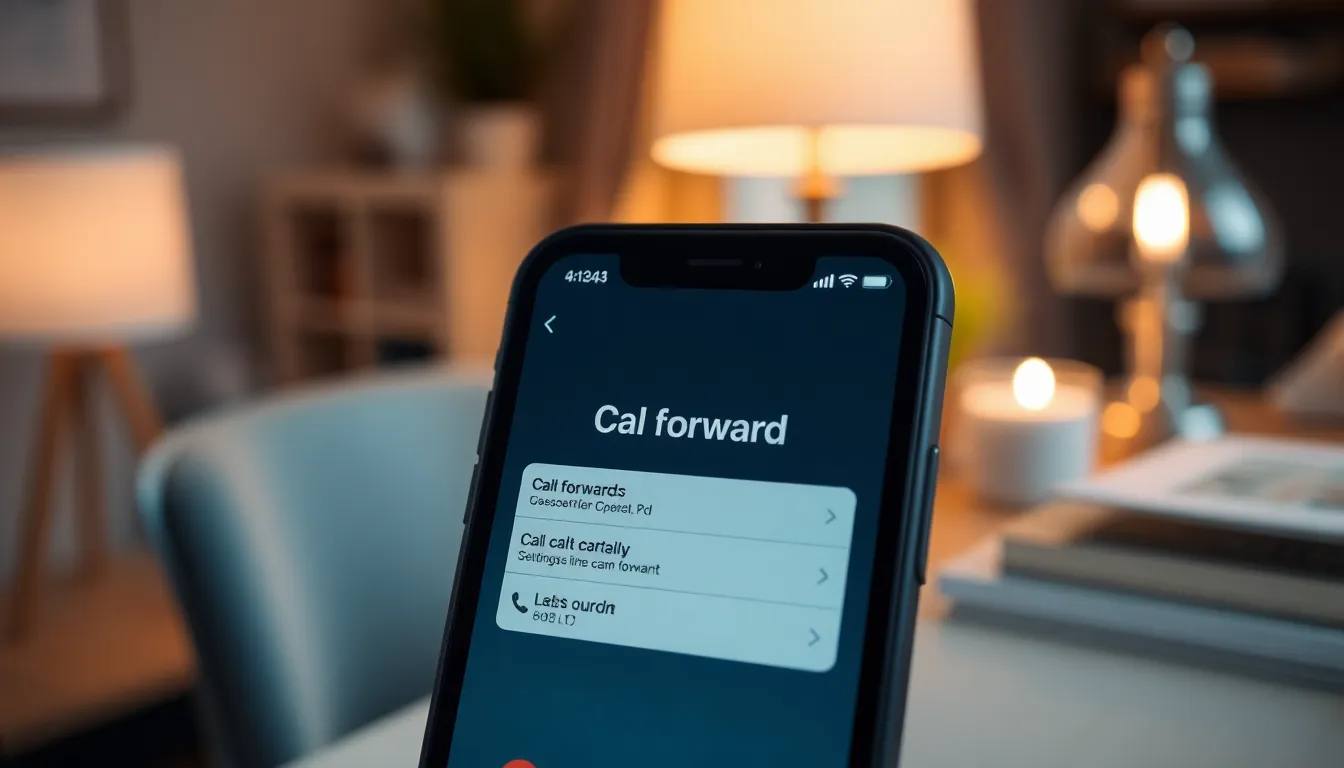
Enabling call forwarding on an iPhone is easy and enhances how users manage incoming calls. Follow these steps to set it up.
Steps to Forward Calls
- Open the Settings app on the iPhone.
- Scroll down and tap on Phone.
- Select Call Forwarding.
- Switch on the Call Forwarding toggle.
- Enter the phone number to which calls will be forwarded.
- Tap Back to save settings.
This process ensures users redirect calls seamlessly to another number.
Tips for Setting Up Call Forwarding
Choose a reliable number for forwarding. Users often select a colleague’s or family member’s number for important calls.
Double-check the number entered to avoid missing calls. Confirm the forwarding status once set up to ensure it’s active.
Consider scheduling call forwarding during specific hours for added flexibility. Setting a timeframe helps manage calls more effectively during busy or personal times.
Review any missed calls regularly from the forwarded number. Staying informed on missed calls ensures important inquiries don’t go unnoticed.
Managing Call Forwarding Settings
Call forwarding settings on an iPhone provide flexibility and control over incoming calls. Users can easily manage these settings to ensure they stay connected while maintaining focus on other tasks.
Checking Forwarding Status
To check the current status of call forwarding, users navigate to the Settings app. Selecting Phone leads to the Call Forwarding option. The screen then displays whether call forwarding is enabled and the designated number if active. This straightforward process ensures that users can verify their forwarding setup quickly.
Disabling Call Forwarding
Disabling call forwarding on an iPhone is just as simple as enabling it. UsersAccessing the Settings app opens the Phone section. From there, selecting Call Forwarding allows users to toggle the feature off. Once switched off, the iPhone will resume typical call functions. Ensuring the feature is disabled when not needed keeps the device efficient and avoids missing important calls.
Troubleshooting Call Forwarding Issues
Call forwarding on an iPhone can occasionally present challenges. Understanding common problems and knowing when to seek help can streamline the process.
Common Problems and Solutions
Users may encounter various issues with call forwarding. Incomplete setup occurs when the user neglects to save the changes after entering the forwarding number. Entering an incorrect phone number causes calls to redirect improperly. Checking the number entered helps prevent this. Additionally, network issues might interrupt the forwarding feature. Ensuring a strong cellular or Wi-Fi connection before attempting to forward calls resolves many connectivity problems. Calls still ringing on the original device indicate the feature isn’t activated. Users can navigate back to settings to verify the status and make adjustments.
When to Contact Support
Technical difficulties may persist despite user efforts. Contacting Apple Support becomes necessary when encountering persistent forwarding issues. If forwarding settings appear correct yet fail to function, professional assistance can diagnose underlying problems. Users experiencing consistent network errors might benefit from guidance on addressing connectivity issues. Persistent voicemail complications also warrant professional help, especially if calls are not reaching the designated number. Users can reach out to support via chat, phone, or in-store appointment for personalized assistance.
Utilizing call forwarding on an iPhone offers users a seamless way to manage their communications. This feature not only enhances personal convenience but also supports professional efficiency by ensuring important calls are never missed. With easy setup and management options, users can tailor their call forwarding settings to fit their lifestyle and needs.
Whether it’s directing calls to a colleague during a busy workday or sending them to voicemail while enjoying personal time, call forwarding provides flexibility and peace of mind. By taking advantage of this handy tool, individuals can maintain effective communication without interruptions.