Table of Contents
ToggleIn the bustling world of restaurants, where every dish tells a story and every customer has a unique palate, data analytics emerges as the secret ingredient to success. Imagine wielding the power to predict what your patrons crave before they even sit down! Restaurant data analytics isn’t just a trendy buzzword; it’s the magic wand that transforms raw numbers into delicious insights.
With the right data at their fingertips, restaurant owners can optimize menus, streamline operations, and even enhance customer experiences. It’s like having a crystal ball that reveals which dishes will fly off the shelves and which ones might need a little extra love. So, why not stir the pot and dive into the world of analytics? After all, in the culinary game, knowledge isn’t just power—it’s the recipe for a thriving restaurant.
Overview of Restaurant Data Analytics
Restaurant data analytics encompasses the collection, analysis, and application of data to improve operations. This process involves utilizing various metrics, such as sales trends, customer feedback, and inventory levels. Data-driven insights enable restaurant owners to make informed decisions that align with customer preferences.
Analyzing sales data reveals patterns that highlight peak hours and menu items that perform best. Implementing these insights can optimize staffing levels and inventory management, preventing shortages or excess. Guest feedback, collected through surveys or online reviews, offers valuable input that can shape menu development and service improvements.
Operational efficiency also benefits from data analytics. Streamlining supply chain processes enhances cost management. Predictive analytics uses historical data to forecast demand, allowing restaurants to adjust strategies proactively. Staff training programs can incorporate findings to better match service styles with customer expectations.
Customer behavior analysis exposes insights into dining habits and preferences. By understanding demographics, restaurants can tailor marketing strategies effectively. Targeted promotions can drive increased patronage and loyalty.
Restaurant owners often utilize tools like point-of-sale systems and customer relationship management software for data collection. These systems provide real-time analytics that support daily operations. Leveraging technology in tandem with data analytics contributes significantly to long-term planning.
In the highly competitive culinary landscape, the integration of data analytics effectively positions a restaurant for success. By emphasizing customer-driven strategies and operational enhancements, owners can foster growth and sustainability. Analyzing data not only informs immediate decisions but also shapes long-term vision in the restaurant industry.
Importance of Data in the Restaurant Industry
Data analytics plays a crucial role in driving success within the restaurant industry. Understanding and leveraging data can lead to improved operations and enhanced customer experiences.
Enhancing Customer Experience
Analyzing customer feedback allows restaurants to refine their menus and services. Personalizing interactions based on past purchases fosters customer loyalty. Ensuring offerings align with preferences leads to increased satisfaction. Restaurants can use data to track dining patterns, which helps in tailoring marketing strategies. Identifying peak times assists in optimizing seating arrangements and staff allocation. Offering promotions based on customer behavior can drive repeat visits. Incorporating feedback mechanisms encourages customer engagement and retention.
Optimizing Operations
Sales data reveals trends that streamline inventory management. Using data-driven insights aids in predicting demand, adjusting orders accordingly. Staff schedules can be optimized based on historical traffic patterns. Analytics assist in reducing food waste by monitoring ingredient usage. Identifying operational bottlenecks leads to improved workflow processes. Using point-of-sale systems facilitates real-time tracking of sales and inventory levels. Data-driven decision-making supports financial forecasting and operational efficiency.
Key Metrics to Analyze
Data analytics requires careful consideration of several key metrics. Understanding these metrics helps restaurant owners make informed decisions that drive performance and customer satisfaction.
Sales Performance
Sales performance reflects overall business health and reveals trends over time. Monitoring daily and monthly sales figures identifies peak times and seasonal trends. Track revenue by menu item to determine which dishes generate the most income and guide menu adjustments. Analyzing average transaction values offers insights into customer spending habits. Additionally, understanding the contribution of promotions helps refine marketing strategies. Identifying trends in payment methods can also shape future operational decisions.
Customer Demographics
Customer demographics provide valuable insights into the target audience. Gathering data like age, gender, and location helps paint a picture of the typical customer. Understanding customer preferences and spending behaviors supports tailored marketing efforts. Tracking repeat visits aids in recognizing loyal patrons and potential advocates. Analyzing demographic information facilitates personalized promotions that resonate with specific customer segments. Furthermore, assessing dining frequency reveals patterns that guide staffing and inventory decisions to maximize satisfaction.
Tools and Technologies for Data Analytics
Various tools and technologies play a crucial role in restaurant data analytics. They streamline operations and enable informed decision-making.
Point of Sale Systems
Point of sale systems serve as a central hub for transaction data. They capture sales data in real-time, allowing restaurant owners to monitor daily performance. By evaluating sales trends, owners can identify peak times and adjust staffing accordingly. These systems also help track popular menu items, guiding inventory management effectively.
Equipped with reporting features, point of sale systems provide insights into customer purchasing behavior. Owners can analyze which items sell best and during what times, enabling strategic menu adjustments. Integrating with other technologies enhances their capability, further supporting efficient operations and better customer experiences.
Business Intelligence Software
Business intelligence software offers advanced analytics for restaurants. It processes large amounts of data from various sources, including point of sale systems and customer feedback platforms. Analyzing this data helps reveal actionable insights that drive performance.
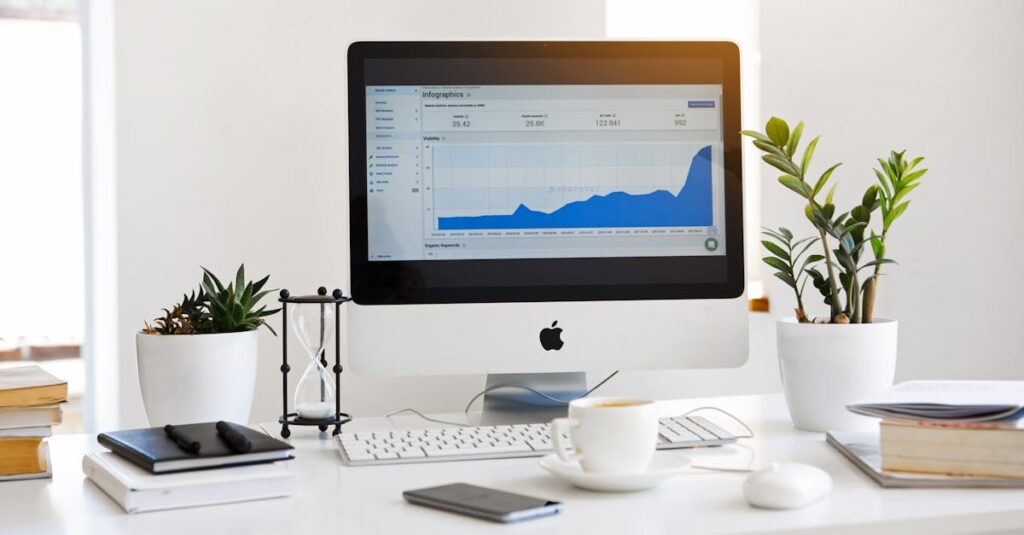
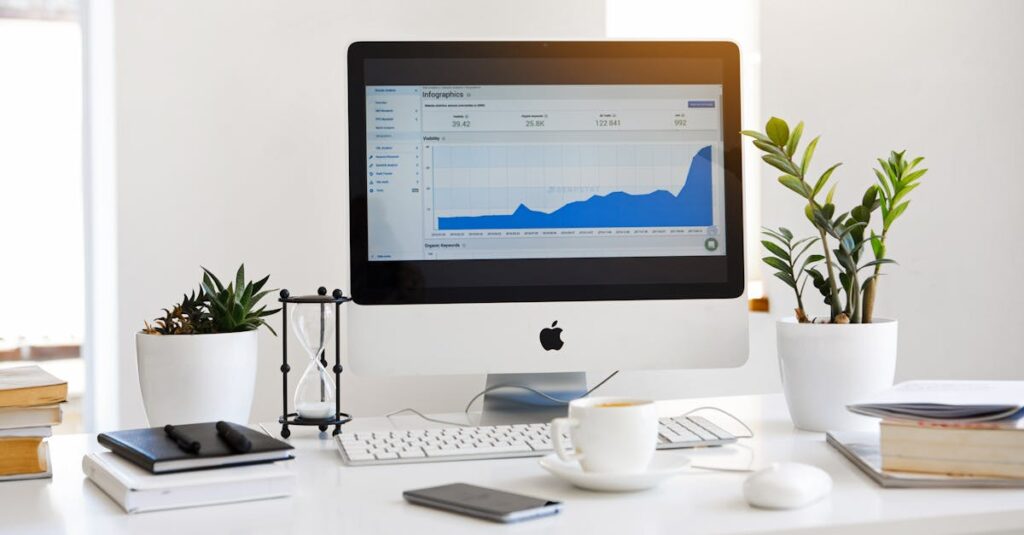
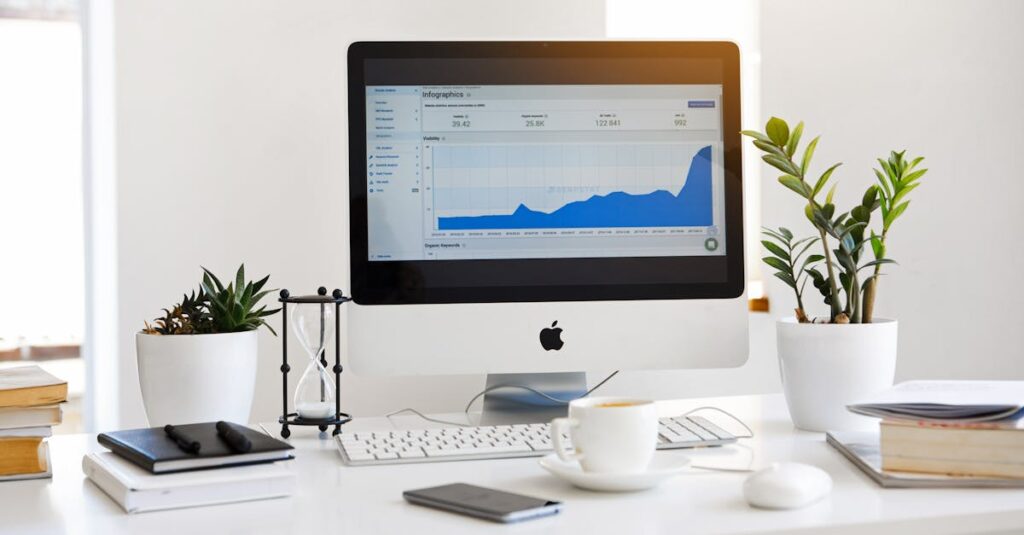
Dashboards simplify the visualization of key metrics, making trends easily identifiable. Restaurant owners can evaluate sales performance, customer demographics and operational efficiency at a glance. By leveraging predictive analytics, owners can forecast demand and optimize inventory levels. These insights lead to tailored marketing campaigns and foster customer loyalty.
Challenges in Implementing Analytics
Implementing data analytics in restaurants presents significant challenges. First, data integration issues often arise, leading to difficulties in combining information from different sources like point-of-sale systems and customer relationship management software. Inconsistent data formats can complicate analysis, rendering it less effective.
Next, limited technical expertise within the team hampers effective data use. Staff may lack the skills needed to interpret complex data sets, making it hard for them to leverage insights. Training programs can address this gap, yet they require time and resources that some establishments struggle to allocate.
Additionally, resistance to change can stifle analytics adoption. Established practices may deter staff from embracing new technologies and processes based on data insights. Overcoming this mindset is essential for creating a culture that values data-driven decision-making.
Budget constraints also pose a challenge. Investing in advanced analytics software and training can exceed the financial capacity of many restaurants. They must carefully evaluate costs against potential benefits to justify expenditures.
Data privacy concerns cannot be overlooked. Restaurants collect sensitive customer information that requires proper management to ensure compliance with regulations like GDPR. Protecting customer data is crucial for maintaining trust and loyalty.
Finally, selecting the right metrics to analyze is vital. Without clear objectives, restaurants may focus on irrelevant data, leading to misguided strategies. Defining specific goals will help streamline analytics efforts and enhance overall effectiveness.
Addressing these challenges is essential for restaurants aiming to utilize data analytics effectively. They must prioritize integration, expertise, change management, budgeting, privacy, and metric selection to create a successful analytics framework.
Future Trends in Restaurant Data Analytics
Advanced analytics tools are set to become more integral in the restaurant industry. Increased reliance on artificial intelligence enhances predictive capabilities, allowing restaurants to anticipate customer preferences more accurately. Machine learning algorithms will refine recommendation systems, personalizing dining experiences based on past behaviors.
Cloud computing plays a significant role in data accessibility. By utilizing cloud solutions, restaurants streamline data collection and improve sharing among locations. Centralized data management facilitates real-time updates, ensuring all teams operate using current information.
Mobile analytics tools are gaining popularity among restaurateurs. These tools empower staff to access critical data on-the-go, enabling quick decision-making under pressure. Mobile platforms enhance reporting and analysis, which leads to better operational performance.
Integration of social media analytics will drive marketing efforts. Restaurant owners can track engagement metrics, gaining insights into customer sentiments and preferences. Tailoring marketing campaigns based on social interactions will enhance customer loyalty and brand visibility.
Sustainability analytics will emerge as a pivotal focus. Many restaurants will analyze data related to sourcing practices and waste management to optimize environmental impact. Emphasizing sustainability can attract eco-conscious customers, enhancing brand reputation.
Using augmented reality in data visualization will also become common. Interactive dashboards will allow restaurant owners to visualize complex data intuitively. This innovative approach aids in quickly identifying trends and making informed business decisions.
Increased data privacy measures and compliance tools will be a priority. With growing concerns about data security, restaurants must ensure they protect customer information while leveraging analytics. Adopting best practices enhances trust and confidence among patrons.
Investing in training for staff on data interpretation will become essential. Equipping employees with analytical skills enhances decision-making at all levels. Prioritizing continuous education fosters a data-driven culture within restaurant operations.
Harnessing the power of data analytics is essential for restaurants aiming to thrive in a competitive market. By leveraging insights from sales trends and customer feedback, owners can make informed decisions that enhance operational efficiency and elevate customer experiences. The future of the restaurant industry will increasingly rely on advanced analytics tools that promote personalization and sustainability.
Investing in the right technology and training staff to interpret data will create a culture of informed decision-making. As restaurants embrace these changes, they’ll not only improve their bottom line but also foster lasting relationships with their patrons. The integration of data analytics is more than a strategic advantage; it’s a pathway to long-term success in the culinary world.